Sawyer Savings Bank Promotes Christopher Jackson to Lead Highland Branch

Sawyer Savings Bank is pleased to announce the promotion of Christopher Jackson to Branch Manager of its Highland location. Jackson, who began his banking career in 2022, most recently served as the Assistant Branch Manager for the Highland Branch . His dedication to personalized customer service and commitment to helping individuals achieve their financial goals have contributed to his continued professional growth.

Christopher Jackson, Highland Branch ManagerAs Branch Manager, Jackson will lead the Highland team and oversee daily operations, with a focus on delivering an exceptional customer experience and supporting sustainable branch growth. He will provide guidance to branch staff, cultivate lasting customer relationships, and deepen Sawyer Savings Bank’s connection to the Highland community.

Jackson initially entered the banking industry with aspirations of becoming a financial advisor but soon discovered his passion for working directly with customers at the branch level. One of his most rewarding professional experiences was helping a customer navigate her retirement savings options, an experience that reinforced the meaningful impact personalized financial guidance can have on someone’s life. Jackson is also a recipient of Sawyer Savings Banks President’s Award, recognizing his professional accomplishments.

“I was motivated to take on the Branch Manager position because I wanted the opportunity to make a greater impact in the community,” said Jackson. “I’m passionate about building strong relationships with our customers and helping them achieve their financial goals.”

“We’re proud to promote Christopher into this leadership role,” said Jenn Gutheil-Denier, SVP, C.O.O.. “His dedication to our customers and strong potential reflect our commitment to developing talent from within. We look forward to his continued success.”

Jackson is continuing his professional development through the Ulster County Regional Chamber of Commerce’s Leadership Ulster program, with an anticipated graduation in June 2027. He is also an active volunteer with the Highland Rotary Club, further demonstrating his commitment to the local community.

Outside of work, Jackson enjoys staying active, working out, and spending time with friends. He is also a licensed pilot, an accomplishment of which he is especially proud.

Branch Service Disruption Update – Branches to Open Monday, August 10, 2026

Dear Valued Sawyer Savings Bank Customers,

We are pleased to report that all Sawyer Savings Bank branches will reopen on Monday, August 10, 2026. We have worked with third-party specialists to securely restore and test all systems that were affected by the recent disruption. Thank you once again for your patience and understanding as we worked to resolve this issue as quickly as possible.

Please know that our investigation into this matter continues. We are focused on determining what if any data may have been affected, and to whom that data belongs. We will provide you with relevant updates as this process progresses.

James P. Whitaker
President & CEO

Technical Disruption Update

Important updates for our customers:

 On Monday, August 3, 2026, Sawyer Savings Bank experienced a technical disruption affecting portions of our network. This resulted in the temporary closure of our branch locations, though customers can continue to access their accounts through online and mobile banking for deposits, withdrawals, and balance inquiries.

Immediately upon experiencing this issue, we engaged third-party specialists to assist our technology team in restoring affected systems as quickly as possible, and to fully investigate the cause of the situation. While these efforts are ongoing, we have subsequently learned through this investigation that the situation is likely the result of a data security incident. We believe this was the result of a vendor vulnerability.

We have seen no evidence to date that customer accounts have been directly affected by this situation, nor have we seen any evidence of malicious use of data from Sawyer Savings Bank or its customers.

Given that our investigation is ongoing, we do not have additional information to share at this time. We will continue to work around the clock to securely restore systems and reopen our branches. At the same time, our investigation is focused on determining what if any data may have been affected, and to whom that data belongs.

Please know that the security of data in our care is a top priority for Sawyer Savings Bank. We have taken action and will continually act to further strengthen the security of our systems.

We are also committed to doing the right things to support you and the community based on what we learn in this investigation. Should we determine that any sensitive data was affected, we will notify and support those individuals.

Thank you for your continued patience and understanding as we work to resolve this issue as quickly as possible. We will provide you with relevant updates as we make progress.

James P. Whitaker
President & CEO

Taylor Papka Hired as Human Resource Officer

Taylor Papka, Human Resource Officer

Sawyer Savings Bank is pleased to announce the appointment of Taylor Papka as Human Resource Officer.

Papka brings more than a decade of banking, leadership, and customer service experience to Sawyer Savings Bank. She began her banking career in 2014 where she advanced through a series of roles including teller, lead teller, service manager, and branch manager. Most recently, she expanded her professional background in human resources supporting recruiting, onboarding, and employee administration.

Throughout her career, Papka has built a reputation for empathetic leadership, strong customer relationships, and a proactive approach to team development. As a branch manager, she focused on creating a warm, community-centered banking environment and helping her team grow through coaching, communication, and support.

In her new role, Papka will bring together her experience in banking operations and human resources to support both colleagues and customers while contributing to the bank’s community-focused mission.

Papka studied at Dutchess Community College and later pursued social sciences at SUNY Empire State. She completed the Human Resources Management certificate program through eCornell and is pursuing her Associate Professional in Human Resources certification through HRCI. Outside of work, she enjoys reading, cooking, volunteering, and spending time with her rescue dog, Belle.

Sandra Miller Welcomed as A.V.P., Director of Customer Experience

Sandra Miller, A.V.P., Director of Customer Experience.

Sawyer Savings Bank is pleased to announce the appointment of Sandra Miller as Assistant Vice President, Director of Customer Experience. In this role, Ms. Miller will draw on more than two decades of banking experience to help strengthen customer relationships, enhance service delivery, and support the bank’s continued commitment to exceptional community banking.

Sandra began her banking career in 2002 and has built an accomplished background in branch leadership, customer relationship management, staff development, and retail branch banking. Most recently, she served for more than 12 years as Branch Manager and Human Resources Assistant where she directed daily branch operations, developed strategies to improve customer service standards, enhanced team performance through training, and built strong relationships with customers and the community.

“Sandra brings a tremendous depth of banking knowledge and a genuine passion for customer relationships,” said Jenn Gutheil-Denier, Senior Vice President and Chief Operating Officer of Sawyer Savings Bank. “Her leadership experience, commitment to service excellence, and ability to build strong connections with both customers and colleagues make her an outstanding addition to our team. We are excited to welcome Sandra to Sawyer Savings Bank.”

In her new role as AVP, Director of Customer Experience, Sandra will focus on elevating the customer journey across the organization, supporting frontline teams, and helping ensure that every interaction reflects Sawyer Savings Bank’s high standards of personalized service and community commitment.

“I am truly excited to join Sawyer Savings Bank and take on this new opportunity,” said Miller. “Banking has been such an important part of my professional journey, and I’m honored to step into a role where I can help strengthen the customer experience, support my colleagues, and build lasting relationships within the communities we serve.”

Ms. Miller holds a bachelor’s degree from Southern New Hampshire University. Outside of the bank, she enjoys time with her husband, Henry, cheering on their children at sporting events, and relaxing with a good book alongside their dogs.

SSB Welcomes New Branch Manager to Saugerties

Amanda Grant, Saugerties Branch Manager

Sawyer Savings Bank is proud to welcome Amanda Grant as the new Branch Manager of its Saugerties location. With more than ten years of experience in retail banking and deposit operations, Amanda brings a strong background and a friendly, customer-focused spirit to her new role.

As Branch Manager, Amanda will oversee the daily operations of the Saugerties branch, support local business growth, and mentor her team. She looks forward to helping people reach their financial goals through the bank’s trusted products and services, and to strengthening community connections through regional events and organizations.

“I’m excited to take on this new opportunity and continue building connections with the wonderful people here in Saugerties,” said Grant. “Our team is dedicated to delivering exceptional customer service experience, and I’m eager to lead them as we strengthen our presence here.”
Jennifer Gutheil-Denier, Chief Operating Officer at Sawyer Savings Bank, shared her enthusiasm: “We’re thrilled to have Amanda join our team. Her experience, leadership, and passion for local involvement make her the perfect fit to lead our Saugerties branch.”

A Saugerties resident, Amanda earned her associate degree from Dutchess Community College and is also a Notary Public. When she’s not at the bank, she enjoys watching football, cooking with her daughter Grace, spending time with her significant other Mike, and being outdoors with her dog.

Welcome Charles Morris, Loan Originator

Charles Morris, Loan Originator

Sawyer Savings Bank is excited to welcome the addition of Charles Morris as residential Loan Originator. With over 15 years of mortgage lending knowledge and deep roots in the Hudson Valley, Charles has a strong understanding of the local market. His expertise allows him to guide borrowers through every step of the mortgage process while addressing the unique needs of the community.

“I enjoy using my experiences and expertise to help guide borrowers through achieving their most important investment – home ownership. I am excited to join Sawyer Savings Bank and be part of a team that genuinely cares about the community it serves and prides itself on its customer-first approach.” Said Morris.

“We are excited to welcome Charles to Sawyer Savings Bank,” said James Whitaker President and CEO of Sawyer Savings Bank. “Charles brings with him an impeccable reputation for providing customers with the products, services, tools and advice that will help them wherever they are in their unique financial journey. He will make an excellent addition to the lending team to deliver an exceptional client experience.”.

Charles holds a Master’s in Business Administration and a Bachelor’s Degree from Mount Saint Mary College in Newburgh. He served on the Board of Directors for the National Association of Mortgage Professional Women (NAMPW) from 2017 to 2023. Charles has also been a member of several professional organizations, including the Mortgage Bankers Association (MBA), the Women’s Council of Realtors (WCR), Business Networking International (BNI), and he has served on the Service Committee of the Dutchess County Association of Realtors (DCAR).

Outside of work, Charles stays active through his love for sports. A former college and minor league basketball player, he is a part-time ski instructor and coaches soccer and softball. Charles also enjoys hiking and skiing with his seven-year-old daughter, Alyssa.

Nicole Lowrey Promoted to AVP, Director of Bank Operations

Nicole Lowrey, Promotion Announcement to Director of Bank Operations
Nicole Lowrey

Sawyer Savings Bank is pleased to announce the promotion of Nicole Lowrey to Assistant Vice President, Director of Bank Operations. In this new role, Mrs. Lowrey will bring her experience in Finance, Lending and Deposit Operations to support the bank’s continued growth and success throughout all of Sawyer’s Delivery Channels.

With over 12 years of experience in the banking industry, most recently successfully serving as the Bank’s Lending Officer, Mrs. Lowrey has consistently demonstrated outstanding leadership in loan processing, compliance oversight, and customer service. She has successfully guided the loan servicing and lending originations team, ensuring the efficient management of the Bank’s existing loan portfolio as well as loan applications and approvals while delivering exceptional results. This promotion reflects her steadfast commitment to quality, innovation, and building strong client relationships.

“Nicole’s newly created role is a key part of our organizational changes as we embrace our commitment to be a Forever Community Bank,” said James Whitaker, President, and CEO of Sawyer Savings Bank. “This restructuring is a strategic move that will not only ensure greater operational compliance but also drive enhanced efficiency. I am confident that these changes will help us better serve our community and position the bank for long-term success.”

In her new role as AVP, Director of Bank Operations, Nicole will not only continue overseeing loan servicing, assess loan applications, conduct risk evaluations, and recommend credit decisions that align with the bank’s strategic goals, but will also now assume oversight for the back office activities of the Deposit Operations department. She will serve as a key resource for addressing questions, managing work allocation, and leading staff development and training initiatives.

“Nicole has demonstrated exemplary problem-solving, leadership and motivational skills throughout her successful tenure with Sawyer Savings Bank,” said Jenn Gutheil-Denier, S.V.P. & C.O.O. of Sawyer Savings Bank. “We believe Nicole is the perfect choice to lead bank wide operations. She brings significant value and perspective to our already-talented leadership team as we continue to strive for improvement and growth.”

“I am honored with this promotion,” said Lowrey. “I look forward to working with my colleagues to continue advancing our technological capabilities, improving operational efficiencies, and ensuring that we provide the best possible customer experience for our  customers, communities, and staff.”

Mrs. Lowrey is a very involved member of the community where she and her husband, Jon, are raising two children, Cierra and Bradley. She currently is a board member for the Saugerties Outlaws Youth Football league and an extremely active volunteer with her local volunteer fire department.

What is Social Engineering?

women using mobile phone but looks suspicious

Stop Social Engineering Scams! How To Safeguard Your Personal Information Online

With modern technology, we are more interconnected than ever before. While this offers immense opportunities for nearly instantaneous communication all over the world, it can also leave us open to social engineering scams.

These scams come in a variety of shapes and sizes, but their primary goal is to manipulate people into giving away personal information that can be used for fraudulent purposes, whether that’s identity theft or system access. Internet users of all ages should be aware of social engineering as scammers continue to become more sophisticated—and harder to spot!

You’ve probably already encountered one of these attempts. Maybe an email claimed you won a large sum of money, but you need to send in a small “processing fee.” Or a phone call that looks like it’s from an official number tells you there’s a problem with your account. These are both examples of social engineering.

Understanding Social Engineering Works

Unlike traditional hacking that takes advantage of security vulnerabilities, social engineering exploits human nature and emotions. By preying on fear, excitement, or urgency, scammers can trick you into giving up personal data.

Take that email, for example. The natural first response when someone says, “You’ve won!” is excitement. A calmer, second reaction would be to wonder, “Did I sign up for any contests?” Scammers are relying on that first burst of emotion to override your caution, which is the entire point of social engineering.

The Many Faces of Manipulation

Social engineering scams come in many forms, but they are all designed with one purpose in mind: to manipulate victims into actions that are against their best interests. Here are some the most common tactics to watch out for.

  • Phishing Scams

    Usually arriving in the form of emails, phishing communications may look like they come from legitimate sources, even using real (albeit stolen) logos and possibly even your real name. They’ll request sensitive information or direct you to fake websites that capture your data. They may also come with attachments that, when opened, download malware to your device.

  • Smishing Scams

    Smishing is short for “SMS phishing,” and uses similar tactics. These text messages usually give you a link to click or a phone number to call to “fix” a problem or claim a prize. The link may take you to a fake website or download malware, and the phone number is a direct line to a scammer who’s out for your information.

  • Vishing / Voice Phishing

    With vishing scams, you’ll get a call either from a recorded phone system or possibly a real person. The phone number may even look like it’s coming from someone you trust, like your financial institution or your local utilities. With the recent advances in AI, it’s even become possible for scammers to use recordings of a family member or friend (often from social media) to trick you into thinking they’re in trouble and need money.

  • Pretext Calls

    Often part of voice phishing, a scammer on a pretext call might pose as a technician, asking for access to your financial or personal information in order to “fix” a problem.

  • Imposter Scams

    In an imposter scam, the caller takes advantage of your trust in a person or entity, like a known charity, to solicit funds or information. These often become more frequent in the wake of a natural disaster or other event when people want to help out.

  • Baiting Attacks

    This sort of scam takes advantage of your curiosity, using something as “bait” to lure you in. For example, if you find a USB found on the ground, you might be tempted to plug it into your computer to see if you can discover who it belongs to or if there’s anything important on it. There likely is something on it—malware that will infect your computer.

  • Quid Pro Quo

    Like the Latin phrase it comes from, “quid pro quo” scams operates on the principle that you have to give something to get something. For example, if you give a tech support representative remote access to your computer, you’ll get your computer fixed. And while this works in theory, you’ll want to be very sure who it is on the other end of the line who you’ve just given access to.

    Employment scams are another example of quid pro quo. In order to apply for a job, you’re asked for important personal financial information like your Social Security number or bank account numbers. Legitimate jobs won’t ask for this information at the application stage.

Protecting Yourself from Social Engineering

While the sheer number of scams can feel overwhelming, there are some basic steps you can take to protect yourself and your personal information. In general, a little awareness and skepticism can go a long way toward keeping you safe. Here are some proactive strategies to defend yourself against social engineering scams.

  • Be cautious!

    Never give out personal information to anyone you don’t know and trust, regardless of how urgent or important they sound. Be especially wary if it’s an unsolicited phone call. Hang up, then call them back at a number you know is legitimate.

  • Verify, Verify, Verify!

    If you receive a call, email, or text message claiming to be from a legitimate source, don’t respond directly. Instead, type in the company’s website by hand to log in to your account or look up the company’s phone number and contact them directly.

  • Think before you click!

    Don’t click on links or attachments in emails or text messages unless you’re absolutely sure who sent it. For emails, you can click on the “From” field to see the source email. A long string of nonsense letters or otherwise questionable address is a dead giveaway. Report the email or text as junk and delete it immediately.

  • Be mindful of what you share online.

    Review your privacy settings on social media and limit the amount of personal information you share publicly. Scammers spend a great deal of time browsing social media and collecting information about you that they can use to try to trick you.

  • Educate yourself and your family!

    Empower your family—especially your teens and pre-teens—with knowledge. Talk to them about social engineering scams and how to stay safe online.

  • Keep your software and devices updated.

    Many updates include security patches that can help protect you from malware and other threats. Turn on automatic updates to help ensure your devices are up to date.

  • Report suspicious activity!

    If you do encounter a scam, report it to the Federal Trade Commission (FTC) at https://reportfraud.ftc.gov/. The more information they have, the better able they are to prosecute scammers and put them out of business for good.

Further Support and Resources

Recognizing and protecting against social engineering scams is an ongoing effort. By staying informed about the latest fraud tactics, you can be on guard against new threats as they arise. You can also check out these websites for more resources:

  • CISA (Cybersecurity & Infrastructure Security Agency) is the government agency in charge of cyber defense. Check out their website at https://www.cisa.gov/ for some great information on cybersecurity.
  • https://www.knowbe4.com/ is a great resource for knowledge and training on social engineering scams, especially if you happen to own a small business.

Building a Secure Online Presence

Just like you lock your doors and shred sensitive papers to protect yourself in the physical world, it’s important to protect yourself in the digital realm, too. Understanding the ways scammers use social engineering techniques can help you stay safe and reduce the chances that you’ll fall for a scam.

Stay vigilant, stay informed, and, most of all, stay safe so you can continue to enjoy the benefits of our connected world.

What is a Credit Freeze?

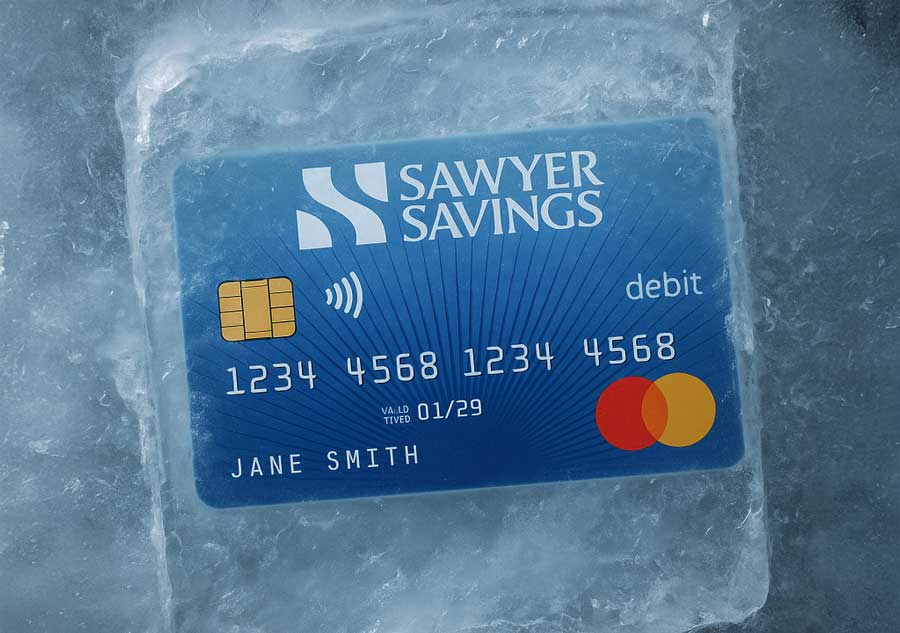
debit card freeze

Fraud Prevention Toolkit: Understanding Credit Freezes

In this digital era, identity theft has become a prevalent and insidious threat. It preys on the personal information in your credit report and creates significant financial and emotional risks to everyone, regardless of income.

Stealthy threats like identity theft have made personal credit monitoring crucially important to the average American, allowing you to quickly take steps to safeguard your financial information.

Today, there are many resources available to protect yourself from the damages caused by fraud or a stolen identity. Credit freezes stand out as a powerful tool to protect against the devastating consequences. While the idea of “freezing credit” may seem intimidating to some people, a credit freeze is something each person can implement on their own accounts when they think an account might have been compromised.

But what exactly is a credit freeze, and how does it work? Let’s take a closer look.

What is a Credit Freeze?

A credit freeze, also known as a security freeze, is a tool that allows you to restrict access to your credit report. Since lenders and other companies rely on the information in your credit report to grant loans or open new accounts, freezing your credit prevents any new activity.

To initiate a credit freeze, individuals must contact each of the three major credit bureaus – Equifax, Experian, and TransUnion – and provide the requisite personal information. While you can do this online, by phone, or by mail, utilizing the online option is generally recommended due to its convenience and time-saving advantages.

How a Credit Freeze Works

When you place a freeze on your credit report, it prevents someone obtaining credit or loans in your name. No lenders will be able to view your credit information, which makes it difficult for bad actors to open new accounts with your information.

When placing a credit freeze, you will either receive a unique PIN or be asked to set up an account that you can use to lift the freeze when you need to apply for credit or open a new account. Your PIN or account password is essential, as it is the only way to lift the freeze and allow access to your credit report.

Without this PIN or password, fraudsters will have a difficult time opening new accounts in your name.

Benefits of a Credit Freeze in Protecting Personal and Financial Information

Credit freezes provide a robust layer of protection against identity theft by preventing unauthorized access to credit reports. With a credit freeze in place, fraudsters are effectively barred from obtaining credit or loans in an individual’s name, significantly reducing the risk of financial losses and reputational damage. This helps minimize the financial impact of identity theft by limiting the potential damage caused by fraudulent transactions.

Temporary Lifting or Complete Removal of a Credit Freeze

Credit freezes can be temporarily lifted or completely removed when an individual needs to apply for loans, credit cards, or utility services. This flexibility ensures that legitimate credit applications are not hampered by the freeze. Understanding when and how to lift or remove the freeze is crucial to avoid potential issues with credit applications.

If you need to apply for credit or open a new account, you will need to lift the credit freeze temporarily. Here’s how you can do it:

Contact the Credit Bureaus

As with the implementation of the credit freeze, you will need to contact each credit bureau and provide your PIN or password to lift the freeze.

Specify the Timeframe

You can specify the timeframe for the lift, such as a specific date or a specific number of days. You’ll need to allow some time for the freeze to be lifted, so plan ahead if you know you’re going to be applying for credit or opening a new account.

Limitations of a Credit Freeze

While credit freezes offer substantial protection against identity theft related to credit checks, they do not safeguard against other types of fraud that do not require credit checks. Tax fraud, for instance, remains a potential threat even with a credit freeze in place. Moreover, credit freezes do not restrict the use of existing credit or bank cards, so stay vigilant and continue to monitor your financial accounts.

Alternatives to a Credit Freeze

While a credit freeze is an effective tool for fraud prevention, it may not be the best choice for everyone. There are other alternatives to consider when trying to protect against identity theft.

  • Fraud alerts can be placed on credit reports to notify lenders of potential fraudulent activity.
  • Credit monitoring services can also be utilized to track changes to credit reports and receive alerts of suspicious activity.
  • Credit locks, while similar to credit freezes, offer more granular control over which entities can access credit reports.

Choosing the most appropriate identity theft prevention measures depends on your own individual circumstances and risk tolerance, so be sure to do your research.

Don’t Get Left Out in the Cold

Credit freezes are a powerful tool in the fight against identity theft, preventing unauthorized access to credit reports and mitigating the risk of fraudulent credit applications. By understanding how they work, the benefits, and the limitations of credit freezes, you can make informed decisions about incorporating them into your identity theft prevention strategies.

Remember that credit freezes are not foolproof and should be used with other protective measures such as fraud alerts, credit monitoring services, and smart financial management practices. By adopting a comprehensive approach, you can help safeguard your personal and financial information and stay safe from identity theft.